
What is Happy Tail Syndrome in Greyhounds?
Happy tail syndrome is a condition that can affect any dog, but it is particularly common in larger breeds with long, thin tails, such as greyhounds. In this article, we will explore what happy tail is, what causes it, and how it can be treated.
What is Happy Tail Syndrome?
Causes of Happy Tail Syndrome
Symptoms of Happy Tail Syndrome
Happy Tail Treatment Options
Preventing Happy Tail in Greyhounds
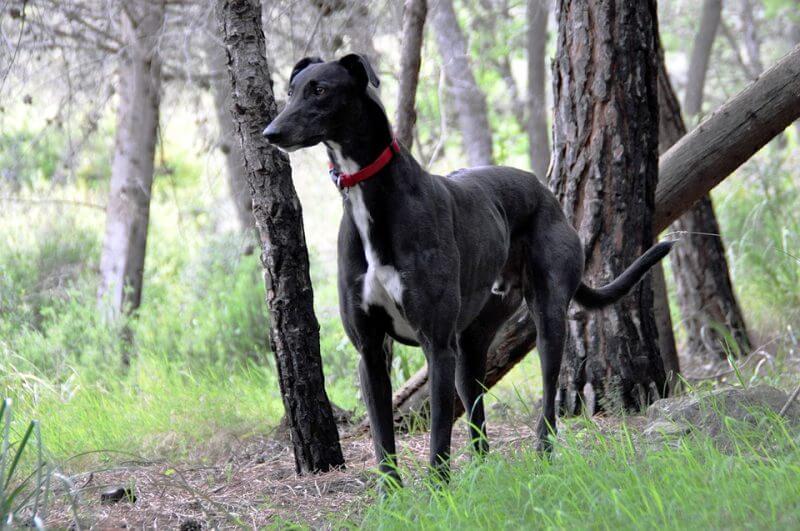
What is Happy Tail Syndrome?
Happy tail syndrome is a condition that occurs when a dog’s tail becomes injured from excessive wagging or hitting hard surfaces. The injury typically happens towards the end of the tail, where the tail is the thinnest and most vulnerable. The injury can range from a simple abrasion to a deep laceration and can be very painful for the dog. The name “happy tail” comes from the fact that the condition is often caused by a dog wagging its tail too vigorously when it is excited or happy.
Causes of Happy Tail Syndrome
Happy tail syndrome is caused by a combination of factors, including:
- Tail Anatomy: Greyhounds have long, thin tails that are prone to injury when they hit hard surfaces, such as walls, cages or furniture.
- High Energy: Greyhounds are known for their high energy and enthusiasm, which can lead to excessive tail wagging.
- Lack of Supervision: Happy tail is more likely to occur when a dog is left unsupervised in a space with hard surfaces, such as a concrete kennel or backyard.
Symptoms of Happy Tail Syndrome
The symptoms of happy tail syndrome can vary depending on the severity of the injury, but they typically include:
- Swelling and inflammation at the tip of the tail.
- Bleeding from the tip of the tail.
- Pain and discomfort when the tail is touched or moved.
- Licking or chewing at the tip of the tail.
Happy Tail Treatment Options
Happy tail treatment will depend on the severity of the injury. In mild cases, simple measures such as cleaning the wound and applying a bandage or wrapping the tail may be sufficient. However, in more severe cases, veterinary care may be necessary. Treatment options may include:
- Antibiotics: If the wound is infected, antibiotics may be prescribed to prevent further infection.
- Pain Management: Pain medication may be prescribed to manage the dog’s pain and discomfort.
- Tail Amputation: In severe cases, the tip of the tail may need to be amputated to prevent further injury and promote healing.
Preventing Happy Tail in Greyhounds
Preventing happy tail can be challenging, but there are some steps that owners can take to reduce the risk of injury, including:
- Supervision: Supervising your greyhound when it is in a space with hard surfaces can help prevent injury.
- Soft Surfaces: Providing soft surfaces, such as beds or blankets, for your greyhound to lie on can reduce the risk of injury.
- Tail Protection: Using protective coverings, such as a tail guard or padded wrap, can help prevent injury.
- Tail Docking: In some cases, tail docking may be recommended to prevent future injuries. However, tail docking is controversial and should only be done after careful consideration and consultation with a veterinarian.
In many cases adopted or rehomed dogs may already have a pre-existing injury or healed injury which is more susceptible to happy tail. In these cases, owners will need to take more care in considering preventative measures. When a happy tail injury occurs, it can look quite gruesome as the tail bleeds quite profusely and as the tail continues to wag blood splatters on nearly surfaces and objects. On a few occasions, we have walked into the room to witness what looks like a murder scene only to realise one of the dogs has hit their tail on a doorframe.
Happy tail is a painful and frustrating condition that can affect greyhounds and other dogs with long, thin tails. By taking steps to prevent injury, monitoring your greyhound’s behaviour, and seeking veterinary care, when necessary, you can help to keep your greyhound healthy, happy, and free from discomfort.