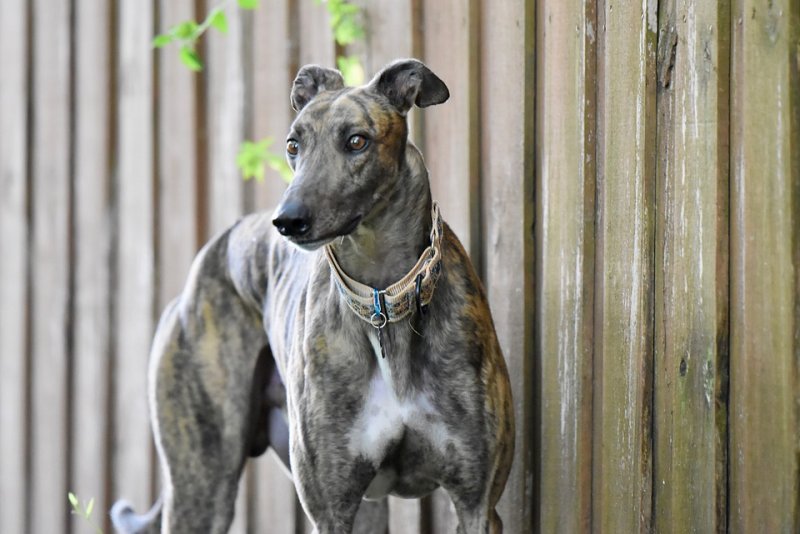
Why Greyhounds Whine, Bark, and Cry
Learn why greyhounds whine, bark, and cry. Discover the causes, from anxiety to excitement, and the best fixes for calmer, happier dogs.
Why Greyhounds Whine, Bark, and Cry Read More »

Learn why greyhounds whine, bark, and cry. Discover the causes, from anxiety to excitement, and the best fixes for calmer, happier dogs.
Why Greyhounds Whine, Bark, and Cry Read More »

Destructive Behaviour in Greyhounds – Causes and Fixes Greyhounds are gentle, affectionate, and intelligent dogs who usually settle beautifully into family life. However, like all breeds, some destructive behaviour in greyhounds may develop, such as chewing, scratching, or tearing up household items. While this can be frustrating for owners, destructive behaviour is rarely “naughtiness.” Instead,
Destructive Behaviour in Greyhounds – Causes and Fixes Read More »
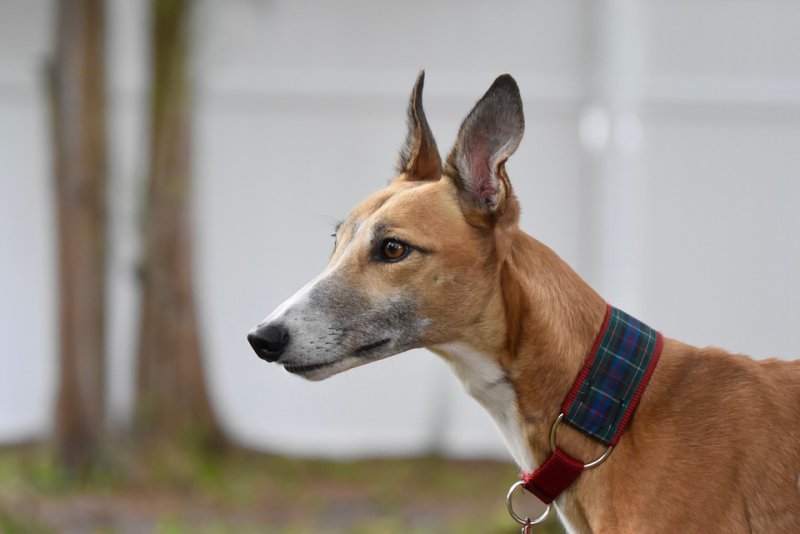
Greyhounds can suffer from separation anxiety. Find out how to identify it, why it happens, and the best strategies to help your dog feel secure.
Separation Anxiety in Greyhounds: How to Identify It and Help Your Dog Read More »

When it comes to owning a greyhound, one of the most important accessories you’ll need is a high-quality lead (or leash).
What are the Best Greyhound Leads? Read More »

Regardless of your requirements, there is a Greyhound to suit you. Because you’re adopting a dog rather than a puppy, they have already developed their individual personality and traits.
10 Reasons to Adopt a Greyhound Read More »

Corns are a common condition that causes lameness in greyhounds. Corns are found on the paw pads of greyhounds and can impact the greyhound when racing and retired. In this article, we will discuss what corns are, their symptoms, causes, and treatment options.
What are Corns on Greyhounds? Read More »
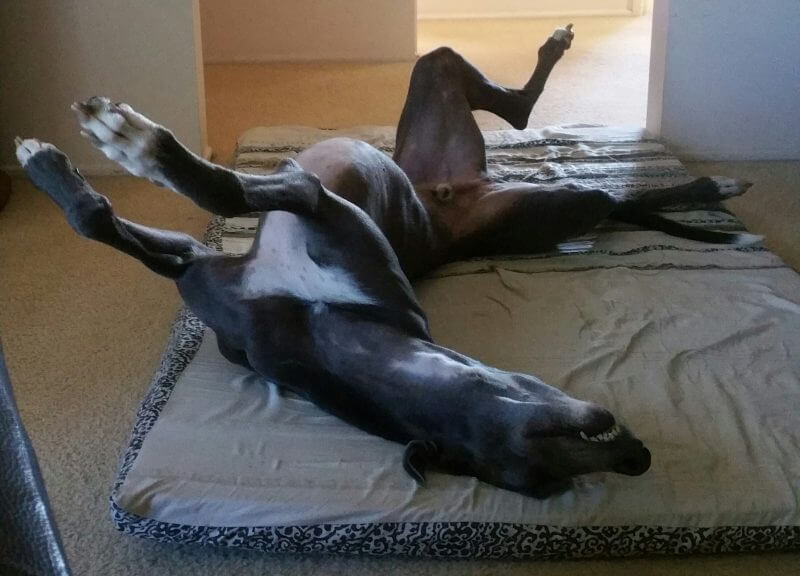
Roaching is the term that is used to describe a specific posture that some greyhounds and other sighthounds adopt when they lie on their backs with their legs sticking up in the air (reminiscent of a dying cockroach).
Why Do Greyhounds Roach? Read More »
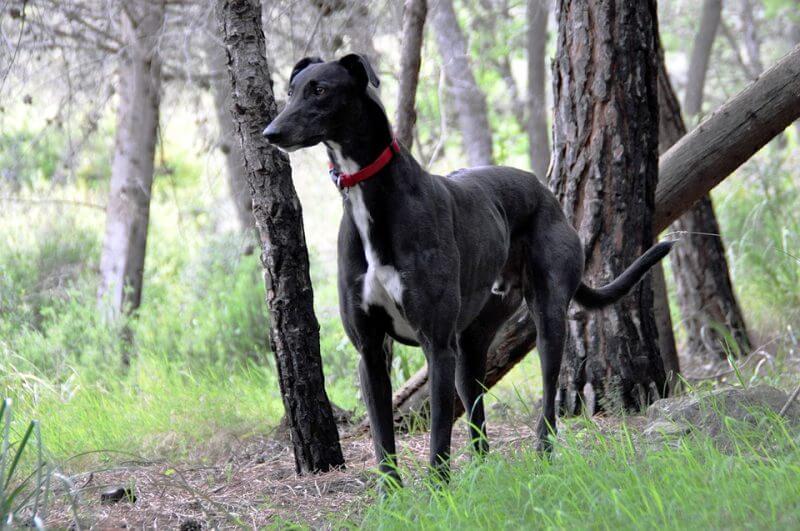
Happy tail is a condition that can affect any dog, but it is particularly common in larger breeds with long, thin tails, such as greyhounds. In this article, we will explore what happy tail is, what causes it, and how it can be treated.
What is Happy Tail Syndrome in Greyhounds? Read More »

Greyhounds can reach speeds of up to 72 kilometres per hour (45 miles per hour) over short distances. They run so fast due to their unique combination of physical attributes, including long legs, flexible ‘hinged’ spine, deep chest, fast-twitch muscle fibres, highly efficient cardiovascular system, efficient breathing, high percentage of muscle, low body fat, and genetic selection. They are sometimes regarded as the Usain Bolts of the canine world due to their effortless sprinting at high speeds.
How Fast Can a Greyhound Run and Why Do Greyhounds Run So Fast? Read More »

When we think of blood donors, the image of selfless individuals readily comes to mind. However, there is a lesser-known group of heroes in the realm of blood donation: Greyhounds. These elegant and agile dogs, renowned for their speed on the racetrack, also play a vital role in saving lives as blood donors. In this article, we will explore why Greyhounds are excellent candidates for blood donation and how their unique physiological characteristics make them invaluable in this noble cause.
Why do Greyhounds Make Great Blood Donors? Read More »