
Why Greyhounds Whine, Bark, and Cry: Understanding Vocalisation
Greyhounds are often described as quiet, gentle dogs. Unlike some breeds that bark at every sound, greyhounds are usually more reserved. However, many owners are surprised when their greyhound begins to whine, bark, or cry in different situations.
Vocalisation is a natural way for dogs to communicate, and greyhounds are no exception. But because of their sensitive nature, their whining or barking is often tied to emotional needs, anxiety, or learned behaviour. Understanding why your greyhound vocalises is the first step in helping them feel secure and keeping your home peaceful.
Why Do Greyhounds Whine, Bark, or Cry?
How to Deal with Greyhound Whining, Barking, and Crying
Moving Forward
Frequently Asked Questions About Why Greyhounds Whine, Bark, and Cry
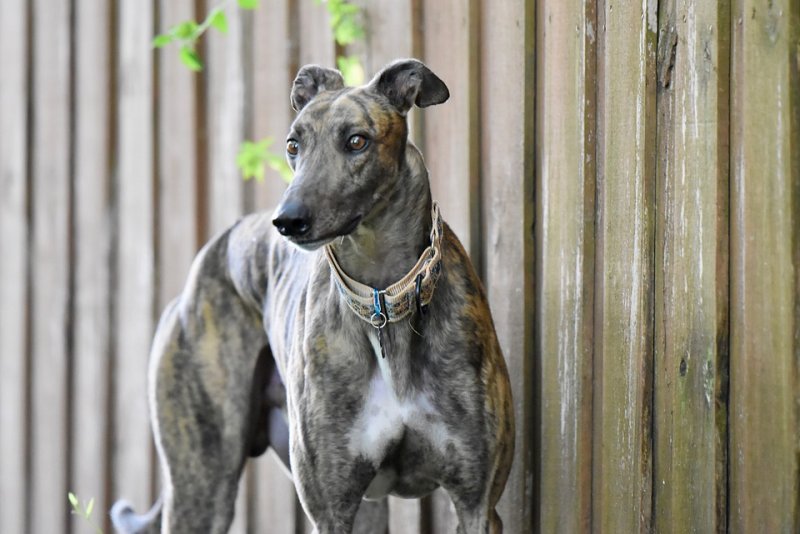
Why Do Greyhounds Whine, Bark, or Cry?
1. Separation Anxiety
Whining and barking are among the most common signs of separation anxiety in greyhounds. When left alone, they may vocalise out of distress, trying to call their owner back.
2. Attention-Seeking
Greyhounds quickly learn that whining or crying often gets a response. Whether it’s food, affection, or going outside, they may vocalise to get what they want.
3. Boredom or Lack of Stimulation
A bored greyhound may whine, bark, or cry to pass the time. Since many retired greyhounds are used to structured kennel life, adjusting to quiet home environments can feel unusual.
4. Fear or Stress
Loud noises, thunderstorms, fireworks, or household changes can trigger vocalisation. A greyhound may whine or bark to express fear or unease.
5. Excitement
Not all whining is negative. Some greyhounds whine when they’re excited — for example, before a walk, mealtime, or greeting their favourite person.
6. Pain or Discomfort
If vocalisation happens suddenly or is out of character, it could signal pain, injury, or illness. In these cases, a veterinary check is essential.
How to Deal with Greyhound Whining, Barking, and Crying
The best approach depends on the cause. Here are proven strategies:
1. Identify the Trigger
Keep a diary of when your greyhound vocalises — is it when you leave, when they want food, or during loud noises? Knowing the pattern helps tailor the solution.
2. Address Separation Anxiety
If your greyhound vocalises when left alone, use gradual desensitisation training. Leave for short periods and build up slowly, pairing your departure with treats or toys to create positive associations.
3. Avoid Reinforcing Attention-Seeking Whining
If your greyhound whines for attention, don’t reward it immediately. Wait until they’re calm before giving affection or treats. Rewarding quiet behaviour teaches them that calmness gets results.
4. Provide Enrichment and Exercise
A tired greyhound is a quieter greyhound. Daily walks, puzzle toys, sniffing games, and training sessions reduce boredom-related vocalisation.
5. Create a Safe, Calm Environment
If noises stress your greyhound, provide a safe retreat such as a cosy bed or crate. Calming aids, such as white noise or anxiety vests, may also be helpful.
6. Consult a Professional
If whining, barking, or crying continues despite training, consult a veterinarian or behaviourist. Medical issues or severe anxiety may require professional intervention.
Moving Forward
Greyhounds are sensitive, expressive dogs. Their whining, barking, or crying is not misbehaviour — it’s communication. By identifying the root cause, providing reassurance, and using positive training, you can help your greyhound feel secure and reduce unnecessary vocalisation.
Remember: patience, routine, and understanding are the keys to managing greyhound vocalisation. With time, most greyhounds learn to relax and express themselves in calmer ways.
Frequently Asked Questions About Why Greyhounds Whine, Bark, and Cry
Do greyhounds bark a lot?
No, greyhounds are generally quiet dogs compared to many breeds. However, they may bark if anxious, excited, or left alone for too long.
Why does my greyhound whine all the time?
Constant whining is often a sign of boredom, anxiety, or attention-seeking behaviour. If it’s new or excessive, also check for pain or discomfort.
Is whining a sign of separation anxiety in greyhounds?
Yes. Whining, barking, or crying when left alone is a key indicator of separation anxiety. Other signs may include destructive behaviour or pacing.
How do I stop my greyhound from whining for attention?
Don’t respond immediately to whining. Instead, wait for calm behaviour before giving attention. Consistency teaches your greyhound that being quiet is more rewarding.
Why does my greyhound bark at night?
Nighttime barking may be due to anxiety, needing to use the toilet, or hearing outside noises. Establishing a bedtime routine and providing a safe sleeping space can help.
Can greyhounds cry like humans?
Greyhounds don’t cry emotional tears like humans, but they may whine, whimper, or vocalise when sad, anxious, or uncomfortable.